
Author: Yingjun Kitchenware Ni-Kovic Kitchen Equipment | Catering Equipment Special Feature (Category Overview) | Last Updated: July 2026
Amid the push for net-zero carbon emissions, more and more restaurants are adopting “flame-free kitchens,”Commercial Electric Heating EquipmentBecome the heart of the next generation of restaurant kitchens. What are the eight types of electric heating equipment needed in a flameless kitchen? What are their respective uses, and how do you choose the right ones?
This article was written by a company with deep roots in Hong Kong’s foodservice equipment industry,Yingjun Kitchenware (Ni-Kovic)Organization is a form ofCommercial Electric Heating EquipmentA Complete List and Buying Guide—From electric steam cabinets, electric steam ovens, rice noodle steamers, electric soup warmers, and induction cooktops—we break down these eight major categories of equipment one by one, analyze the trend toward flame-free kitchens and their energy-saving environmental benefits, and help you get a clear, comprehensive overview of the entire electrified kitchen equipment blueprint in one go.
This article guide
- I. Flame-Free Kitchens: The Trend Toward Electrification Amid the Net-Zero Movement
- II. Energy-Saving and Environmental Benefits of Commercial Electric Heating Equipment
- III. Complete List of 8 Major Categories of Commercial Electric Heating Equipment
- IV. Category 1: Commercial Induction Cooktops and Induction Woks
- V. Category 2: Commercial Electric Steam Cabinets (Electric Steam Cabinets)
- VI. Category 3: Commercial Electric Steamers and Electric Steam Ovens
- VII. Category 4: Electric Rice Roll Steamer
- VIII. Category 5: Electric Soup Heaters and Heat-Retention Equipment
- IX. Categories 6 through 8: Electric deep fryers, electric griddles, electric ovens
- X. Key Considerations for the Configuration and Selection of Fire-Free Kitchen Equipment
- Frequently Asked Questions (FAQ)
I. Flame-Free Kitchens: The Trend Toward Electrification Amid the Net-Zero Movement
To achieve net-zero carbon emissions, many regions around the world are pushing to phase out natural gas equipment and transition to electric kitchens. From Chinese stir-fry to Western cuisine, gas stoves are facing challenges, and a wave of change is sweeping through the restaurant industry.The Major Shift Toward Kitchen Electrification。
1.1 Policy and Carbon Reduction Drivers
With many regions promoting the reduction of fossil fuel use and the phase-out of natural gas appliances, the shift to electric cooking equipment in the food service industry has become a major trend. Cooking without an open flame is not only environmentally friendly but also aligns with future policy directions.
1.2 Generational Differences in Thermal Efficiency
When cooking on a traditional gas stove,Only 30 to 40 percent of the energy is actually transferred to the cookware...while the remaining heat dissipates into the surrounding area; the new induction cooktop uses electromagnetic induction for heating, with no open flame, and interacts directly with the cookware,Up to 90 percent of the heat energy is used directly to heat food. This gap in thermal efficiency is precisely the driving force behind electrification.
1.3 Major Improvements to the Kitchen Environment
Almost all of the electricity used by an induction cooktop goes toward heating food,The kitchen won’t get too hot, air-conditioning costs will go down, and employees won’t have to work while drenched in sweat.. The flame-free design also significantly improves safety by reducing the risk of fire and carbon monoxide poisoning.
1.4 Considerations for the Transition: Initial Costs
While the initial cost of electric heating equipment is indeed higher than that of gas-fired systems, the price gap is narrowing year by year; when you factor in electricity costs, air conditioning, safety, and labor savings, it’s often more cost-effective in the long run. This is precisely the principle of “looking at the total cost of ownership.”
II. Energy-Saving and Environmental Benefits of Commercial Electric Heating Equipment
- High Thermal Efficiency:Electric heat acts directly on the food or cookware, resulting in a much higher thermal efficiency than an open flame, thereby reducing waste.
- Environmental Protection and Carbon Reduction:No open flame, no exhaust fumes, and compatible with green electricity, reducing carbon emissions and indoor air pollution.
- Safe and Cool:Flame-free cooking reduces the risk of fire and carbon monoxide poisoning, making the kitchen cooler and more hygienic.
- Easy to install:Plug-and-play, no gas line required, low installation costs, and relatively lenient fire safety requirements.
- Precise Temperature Control:Equipped with smart temperature control, it ensures precise temperature regulation, prevents overcooking, saves energy, and preserves food quality.
- Easy to Clean:The surface is smooth and free of grease or oil stains—just wipe it down, and cleaning is quick and easy.
These advantages make commercial electric heating equipment the top choice for modern restaurants, cloud kitchens, shopping mall eateries, and gas-free establishments.
III. Complete List of 8 Major Categories of Commercial Electric Heating Equipment
A fully equipped commercial kitchen typically includes the following eight major categories of commercial electric cooking equipment. The table below provides an overview; each category will be explained in detail in subsequent chapters.
|
Category |
Equipment |
Main Uses |
|
1 |
Commercial Induction Cooktop / Induction Wok |
Stir-frying, boiling, pan-frying, blanching, and making soup |
|
2 |
Commercial Electric Steamer (Electric Steamer) |
Steaming large quantities of rice, steamed pastries, and multi-layer steaming |
|
3 |
Commercial Electric Steamer / Electric Steaming Oven |
Steamed rice, steamed fish, steamed eggs, and stewed soup |
|
4 |
Electrical Rice Roll Steamer |
Steamed Rice Rolls, Steamed Buns |
|
5 |
Electric Soup Heaters / Heat-Retention Equipment |
Soups, Hot Soups, and Prepared Foods |
|
6 |
Electric Fryer |
Fried chicken, french fries, fried foods |
|
7 |
Electric Griddle |
Grilled Steak, Teppanyaki Dishes |
|
8 |
Electric Oven / Toaster Oven |
Baking, Roasting, and Toasting |
Below, we’ll break down the uses, features, and key considerations for purchasing each type of equipment one by one.
IV. Category 1: Commercial Induction Cooktops and Induction Woks
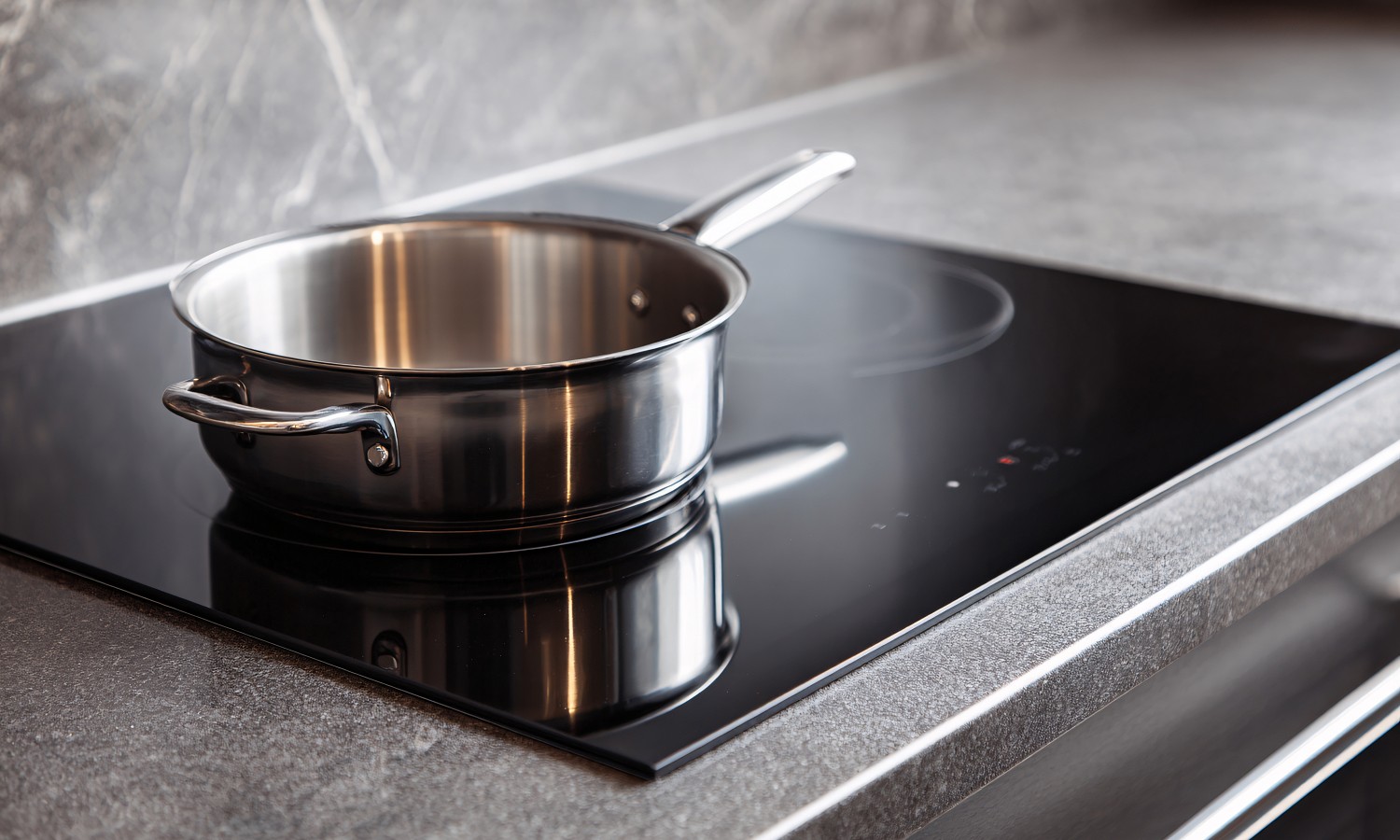
Commercial induction cooktops are the “heart of cooking” in flame-free kitchens; they use electromagnetic induction to heat food, achieving thermal efficiency as high as 90 percent.
4.1 Purpose
Whether it's stir-frying, boiling, pan-frying, blanching, or making soup, they've got it all covered.Commercial Induction Wok StoveFeaturing a curved cooking surface and high power, it is specifically designed for Chinese-style stir-frying over high heat; the flat induction cooktop is ideal for searing; and the low-profile induction soup pot is perfect for simmering soups for extended periods.
4.2 Features
No open flames, a cool kitchen, precise temperature control, and easy cleaning—with thermal efficiency far superior to that of gas. We have a more in-depth feature on this topic for your reference.
4.3 Key Considerations for Purchasing
Choose the power rating and cooktop surface based on the type of cooking (use a curved, high-power cooktop for stir-frying and a flat cooktop for simmering); ensure the unit features separate water and electrical systems and a heat dissipation design; and verify the power supply (three-phase electricity). For more details, visit Yingjun’sInduction Cooking Range Series。
V. Category 2: Commercial Electric Steam Cabinets (Electric Steam Cabinets)
Commercial electric steam cabinets are cabinet-style, multi-door, multi-tier steamers that serve as the main equipment for large-scale steaming.
5.1 Purpose
Ideal for steaming large quantities of rice, dim sum, buns, and mantou; it allows for simultaneous steaming of multiple items across multiple tiers, making it suitable for high-volume restaurants, group catering, and central kitchens.
5.2 Features
All-stainless-steel construction, high-temperature-resistant stainless-steel water tank, and a lid-opening design for easy cleaning;Features three power settings for fast steaming, slow steaming, and keep-warm mode, high thermal efficiency, and excellent energy-saving performance.
5.3 Key Considerations for Purchasing
Look for the SUS 304 water tank,High and low water level protection to prevent dry burning; over-temperature protection; magnetized tubes that reduce scale buildup. For more details, please visit Yingjun’sCommercial Electric Steamer Product Page。
VI. Category 3: Commercial Electric Steamers and Electric Steam Ovens
Commercial electric steamers (in Cantonese, “罉” refers to a large-capacity wok- or pot-shaped steamer) and electric steam ovens are essential steaming tools in Hong Kong-style cafes and dim sum restaurants.
6.1 Purpose
Steam rice, fish, and eggs; make soup; available in single- or dual-chamber designs—one chamber for quick-steaming rice and the other for slow-steaming fish—offering flexibility and convenience.
6.2 Features
Fast heating, precise temperature control, and space-saving design, with automatic water refill and dry-burn protection. The countertop electric steamer is ideal for single- or double-station steaming operations.
6.3 Key Considerations for Purchasing
Choose between single-head and dual-head models based on output volume; ensure the water tank is made of the right material and features dry-burn protection; and take advantage of space-saving designs. For more details, visit Yingjun’sCommercial Electric Steamer Product Page。
VII. Category 4: Electric Rice Roll Steamer
Electric rice noodle steamers are essential equipment for specialty rice noodle shops and breakfast service at Hong Kong-style cafes.
7.1 Intended Use
Specializes in steaming rice rolls, and can also steam buns. Features a drawer-style “one drawer, one serving” design, with multiple compartments allowing for continuous, uninterrupted production.
7.2 Features
Electric heating provides rapid temperature rise (From cold water until steam appears—about 5 minutes), intelligent temperature control preserves flavor, and oil-water separation prevents dry burning to ensure safety. Compared to traditional gas stoves, it offers advantages in heating speed, temperature control, and ease of cleaning.
7.3 Key Considerations for Purchasing
Select the number of units (1, 2, or 3) based on your morning market needs, and ensure the oil-water separator and 220V/4000W power supply are included. For more details, please visit Yingjun’sElectric Rice Roll Steamer Product Page。
VIII. Category 5: Electric Soup Heaters and Heat-Retention Equipment
Electric soup kettles and heat-retaining equipment are used to prepare soup and maintain the serving temperature.
8.1 Electric Soup Kettle
Flat-top soup stoves and low-profile soup stoves are used for simmering and stewing soups over long periods. Electric heating systems are easy to install, have low maintenance costs, and offer stable temperature control, making them ideal for cafes and Chinese restaurants that serve slow-simmered soups.
8.2 Insulation Equipment
Insulated soup pots, insulated soup stoves, food warming cabinets, and insulated food carts maintain the serving temperature of soups and cooked foods, making them ideal for buffets, group meals, and takeout.
8.3 Key Considerations for Purchasing
Choose a model with a capacity and power rating that matches the amount of soup you’ll be making; look for precise temperature control and effective heat retention; and select a model with a SUS 304 body that’s easy to clean.
IX. Categories 6 through 8: Electric deep fryers, electric griddles, electric ovens
9.1 Electric Fryer
A must-have for fried chicken, french fries, and other fried foods. This electric fryer features precise temperature control, fast heating, and no open flame, along with oil temperature control and overheat protection, ensuring safe and stable operation. Ideal for fast-food restaurants, Western-style restaurants, and Hong Kong-style cafes.
9.2 Electric Griddle
Grilled steaks, teppanyaki dishes, and fried eggs and toast. The flat heating surface ensures even heat distribution, has no open flame, and is easy to clean—making it an essential tool for Western cuisine, steakhouses, and breakfast stations.
9.3 Electric Oven / Toaster Oven
Baking, roasting, and toasting. Suitable for pizza, cookies, cakes, roast chicken, and more. Features top and bottom heating elements along with a convection design for stable temperature control. Commonly used in bakeries, Western-style restaurants, and hotel kitchens.
9.4 Other Auxiliary Electric Heating Equipment
Depending on the type of establishment, this may also include stovetops, skewering grills, slow cookers, ribbed grills, rotisserie ovens, and steam-convection ovens. These all fall under the broad category of commercial electric heating equipment and can be configured according to the specific needs of the menu.
X. Key Considerations for the Configuration and Selection of Fire-Free Kitchen Equipment
To create a highly efficient flameless kitchen using these eight major categories of equipment, keep the following key points in mind.
10.1 Selecting Combinations by Dish Type and Business Format
- Tea Restaurant:Electric stir-fry stove + electric steamer/rice noodle maker + electric soup warmer + refrigerator.
- Dim Sum Restaurant / Chinese Restaurant:The core components are the electric steamer, multi-tier steamer, and rice noodle steamer.
- Western Restaurant:Induction cooktop + electric deep fryer + electric griddle + electric oven.
- Fast-food restaurants:Mainly induction cooktops, electric fryers, and food warming equipment.
10.2 Unified Power Planning
Electric heating equipment is a major consumer of electricity. During the layout phase, electrical loads (including three-phase power requirements) must be planned comprehensively to avoid overloading shared circuits, and installation must be performed by a licensed electrician in accordance with Hong Kong’s electrical regulations.
10.3 Traffic Flow and Separation of Hot and Cold Zones
Concentration of heating equipment,Commercial RefrigeratorsRefrigeration equipment is arranged in separate sections and equipped with ventilation systems for heat dissipation, ensuring smooth and safe traffic flow.
10.4 Consider the Total Cost of Ownership
When selecting electric heating equipment, consider the total cost of ownership (TCO), which includes the purchase price, energy consumption, and maintenance costs. Prioritize models made of SUS 304 stainless steel, equipped with smart temperature control, and featuring comprehensive safety protections—they’ll be more cost-effective and durable in the long run.
Frequently Asked Questions (FAQ)
Q1. What types of commercial electric heating equipment are required for a kitchen without an open flame?
A complete flameless kitchen typically includes eight major categories: commercial induction cooktops/induction woks, commercial electric steam cabinets, commercial electric steamers/ electric steam ovens, electric rice noodle steamers, electric soup kettles and holding equipment, electric fryers, electric griddles, and electric convection ovens/broilers. The actual configuration is tailored to the specific business type and menu offerings.
Q2. Are electric heating appliances really more energy-efficient and eco-friendly than gas ones?
That's right. With traditional gas stoves, only 30 to 40 percent of the energy is transferred to the cookware, whereas with the new induction cooktops, up to 90 percent of the heat is used to cook food. They produce no open flame or exhaust fumes and can be used with green electricity, keeping the kitchen cooler and reducing air conditioning costs. Although the initial cost is higher, the price gap is narrowing year by year, making them more cost-effective in the long run.
Q3. What are the differences between commercial electric steam cabinets, electric steam baskets, and electric steam ovens?
Electric steam cabinets are multi-door, multi-tiered units that allow for the steaming of multiple items in separate compartments, making them suitable for high-volume production; electric steam pots are large-capacity wok- or pot-shaped steamers designed for steaming large quantities at once; electric steam ovens are typically single- or double-burner stove-top models. The choice among these three depends on capacity, kitchen station, and production volume.
Q4. How long does it take for the electric rice noodle steamer to start producing steam?
This high-quality electric rice noodle steamer goes from cold water to producing steam in about 5 minutes. It heats up quickly and maintains precise temperature control, and features oil-water separation and dry-burn protection, making it safer and easier to clean than traditional gas stoves.
Q5. What’s the most important factor to consider when choosing commercial electric heating equipment?
Consider the total cost of ownership (unit price + energy consumption + maintenance): Prioritize models made of SUS 304 stainless steel, featuring smart/three-level temperature control, water level monitoring, and dry-boil protection, among other safety features. Also, ensure a stable power supply and have the unit installed by a licensed electrician.
About Ni-Kovic Kitchenware
盈峻廚具始於 2013 年,專注為香港餐飲業(F&B)提供全方位Commercial electric heating equipment, commercial induction cooktops, commercial induction stir-fry ranges, commercial electric steam cabinets, commercial electric steamers, and commercial refrigerators...and offers one-stop services including kitchen layout design, electrical and ventilation planning, equipment selection, custom fabrication, and construction. If you’d like to create a high-efficiency, safe, and energy-efficient flameless electric kitchen for your restaurant, please feel free toContact Our Professional Team, or visitYingjun Kitchenware Official WebsiteLearn more.
*The equipment classifications, specifications, and configuration recommendations in this article are based on publicly available industry data and actual test results. Actual requirements may vary depending on the type of business, menu items, output volume, and available power capacity at the location; this information is provided for reference purposes only.
XI. Electric vs. Gas: A Comprehensive Comparison
Just how different are electric induction cooktops from traditional gas stoves? The table below makes it clear at a glance.
|
Comparison Criteria |
Electric Heating Equipment |
Gas Equipment |
|
Thermal Efficiency |
As high as about 90 percent |
Only about 30 to 40 percent |
|
Open Flame / Exhaust Gas |
none |
have |
|
Kitchen Temperature |
Stay Cool, Save on Air Conditioning |
Baked Hot |
|
Safety |
No open flame, low fire risk |
Risk of open flame and gas leaks |
|
Temperature Control |
Precise, Intelligent |
More extensive |
|
Installation |
Plug-and-play, no gas line required |
Requires connection to a gas line; strict fire safety requirements |
|
Cleaning |
Smooth surface, easy to apply |
Grease stains are harder to clean with an open flame |
|
Initial Costs |
Higher (the price spread has been narrowing year by year) |
Lower |
|
Long-term costs |
Low energy consumption, low air conditioning costs, and minimal maintenance |
Significant heat loss and a heavy load on the air conditioning system |
|
Environmental Protection |
Zero emissions; compatible with green electricity |
Involves carbon emissions |
Overall, electric cooking appliances offer comprehensive advantages in terms of thermal efficiency, safety, kitchen environment, and environmental friendliness. While their initial cost is higher, the price gap is narrowing year by year, making them a better value in the long run.
XII. Common Safety and Quality Considerations for Open-Flame Kitchens
Regardless of the type of electric heating equipment, the following are common safety and quality considerations.
- Material:Made primarily from food-grade SUS 304 stainless steel, which is corrosion-resistant, heat-resistant, easy to clean, and durable.
- Prevent Dry Burning:Steaming equipment must be equipped with high- and low-water level protection and dry-burn protection to prevent the heating elements from burning out.
- Over-Temperature Protection:Automatically shuts off in case of overheating to protect both the equipment and the user.
- Separation of Water and Electricity:Equipment such as rice noodle steamers and steamers must have separate water and electrical systems, as well as oil-water separators, to prevent electrical leaks.
- Temperature Control:Smart or three-stage temperature control for precise temperature regulation, energy savings, and quality preservation.
- Descaling:Magnetized pipes resistant to scale buildup or featuring an easy-to-clean design, suitable for Hong Kong's water quality.
These key points align with the principles for selecting commercial induction cooktops, commercial steam cabinets, and commercial steamers, and are crucial for distinguishing between high-quality and low-quality electric heating equipment.
XIII. Electrical Planning: The Hidden Key to a Flameless Kitchen
The most overlooked yet most critical aspect of an electric kitchen is electrical planning.
13.1 Evaluating the Total Load
Add up the power ratings of all electric cooking equipment (induction woks, electric steamers, rice noodle makers, electric fryers, electric ovens, etc.) and the refrigerator to assess the kitchen’s total electrical load and confirm that the store’s power supply is sufficient.
13.2 Three-Phase Electricity Demand
High-power equipment such as commercial induction cooktops and large electric steamers typically require three-phase power (380V). Before opening your business, you must confirm whether your location has a three-phase power supply; if not, you’ll need to apply for one or make modifications, which will involve both time and cost.
13.3 Independent Circuits and Protection
High-power equipment should be connected to a dedicated circuit to avoid overloading caused by multiple units sharing the same circuit; also ensure that the grounding and residual current device (RCD) are functioning properly. All electrical work must be performed by licensed electricians in accordance with Hong Kong’s electrical regulations.
13.4 Plan Ahead
Electric power planning should be carried out inKitchen Layout DesignPlan ahead to avoid the predicament of buying equipment that can’t be installed or that lacks sufficient power. Yingjun offers one-stop services for electrical and ventilation planning.
14. Ventilation and Heat Dissipation: Don’t Skimp on These in an Electric Kitchen
Although electric heating produces no open flame, steam-cooking equipment generates a large amount of steam, while deep fryers and grills produce oil fumes and hot air, so ventilation and heat dissipation are equally important.
14.1 Steam Treatment
Electric steaming cabinets, steam ovens, and rice noodle steamer units generate a large amount of steam during operation; they must be equipped with effective ventilation and drainage systems to prevent steam condensation, water dripping from the ceiling, and slippery floors.
14.2 Kitchen Exhaust Treatment
Electric deep fryers and electric grills still produce cooking fumes and must be equipped with range hoods and grease traps to comply with health and fire safety requirements.
14.3 Equipment Cooling
Appliances such as induction cooktops and refrigerators require space for heat dissipation. When placing them, ensure adequate ventilation to prevent heat buildup from affecting their performance and lifespan.
XV. Sample List of Fire-Safe Kitchen Equipment for Three Types of Business Formats
The following examples use three typical Hong Kong restaurant formats to demonstrate how to build a complete flameless kitchen using the eight major categories of equipment (the configurations shown are for illustrative purposes only; actual setups will depend on the menu and available space).
15.1 Hong Kong-Style Cafés with Open-Flame-Free Kitchens
The menu features mainly Chinese stir-fries, rice and noodle dishes, rice rolls, and slow-simmered soups. Recommendations:Commercial Induction Wok (High-Heat Stir-Frying) + Induction Soup Stove (Slow-Cooked Soups) + Electric Rice Noodle Steamer (Morning Market Rice Noodles) + Commercial Electric Steamer (Steamed Rice and Fish) + Commercial Refrigerator (Ingredient Storage). A complete set—the kitchen stays cool, food is prepared quickly, and it’s safe and easy to clean.
15.2 Dim Sum Restaurant with a Flame-Free Kitchen
Focuses on steamed dim sum, steamed rice, and rice rolls. Recommendations:Commercial Electric Steamer (Multi-Tier, High-Capacity) + Multi-Tier Dim Sum Steamer + Electric Rice Noodle Steamer + Induction Stir-Fry Stove (for stir-frying and cooking side dishes) + Large-Capacity Commercial Refrigerator. The steaming process offers high production capacity and clearly defined zones.
15.3 Western-Style Restaurant with a Flame-Free Kitchen
The main cooking methods are braising, deep-frying, baking, and boiling. Suggestions:Commercial Induction Cooktop (for making sauces and cooking pasta) + Electric Fryer (for fried foods) + Electric Griddle (for grilling and pan-frying) + Electric Oven (for baking and roasting) + Holding Equipment + Commercial Refrigerator/Salad Bar. The flame is even and the temperature control is precise, ensuring consistent results.
The common logic underlying the three examples is:Select the right combination from 8 major categories based on the type of cuisine; coordinate power supply, ventilation, and workflow; and choose models featuring SUS 304 construction, smart temperature control, and comprehensive safety features throughout the entire process.. This is precisely the essence of creating an efficient, safe, energy-efficient, and flameless kitchen. If you’d like a customized design, complete checklist, and quote for your establishment, please visit YingjunOfficial WebsiteOr contact our team directly.
XVI. Conclusion: Blueprint for a Fire-Free Kitchen
To summarize the entire text, a fully equipped, open-concept kitchen centers around8 Major Categories of Commercial Electric Heating EquipmentSetup: Induction cooktop for stir-frying; electric steamer cabinet and electric steamer basket for steaming; rice noodle maker for making rice noodles; soup kettle for preparing and keeping soup warm; deep fryer, griddle, and oven for preparing Western-style dishes; plus a commercial refrigerator for cold storage.
By aligning with the trend toward net-zero carbon emissions, leveraging high thermal efficiency, a cool kitchen environment, and safety features—combined with integrated electrical, ventilation, and workflow planning—you can create a future-ready, high-efficiency commercial kitchen. To learn more about in-depth topics related to various types of equipment, please visit Yingjun’sInduction Cooktop Equipment、Steaming and Boiling EquipmentAndCommercial Refrigerator Series。
The above data, specifications, and figures are for reference only. Actual operational performance, heating times, and power consumption may vary depending on the operating environment, usage habits, installation conditions, and specific product models. For precise technical specifications or professional advice tailored to your kitchen layout, please feel free to contact our team directly.